Every image checked. Every attribute matched.
Custom image and content quality checks that find the faults a shopper would notice and the gaps a marketplace would reject, across the whole catalog rather than a sample. Agents scan every image, read the attributes off it and compare them with the listing. A named reviewer owns every rejection. Every finding, fix and decision lands on a record you can hand to a seller or an auditor.

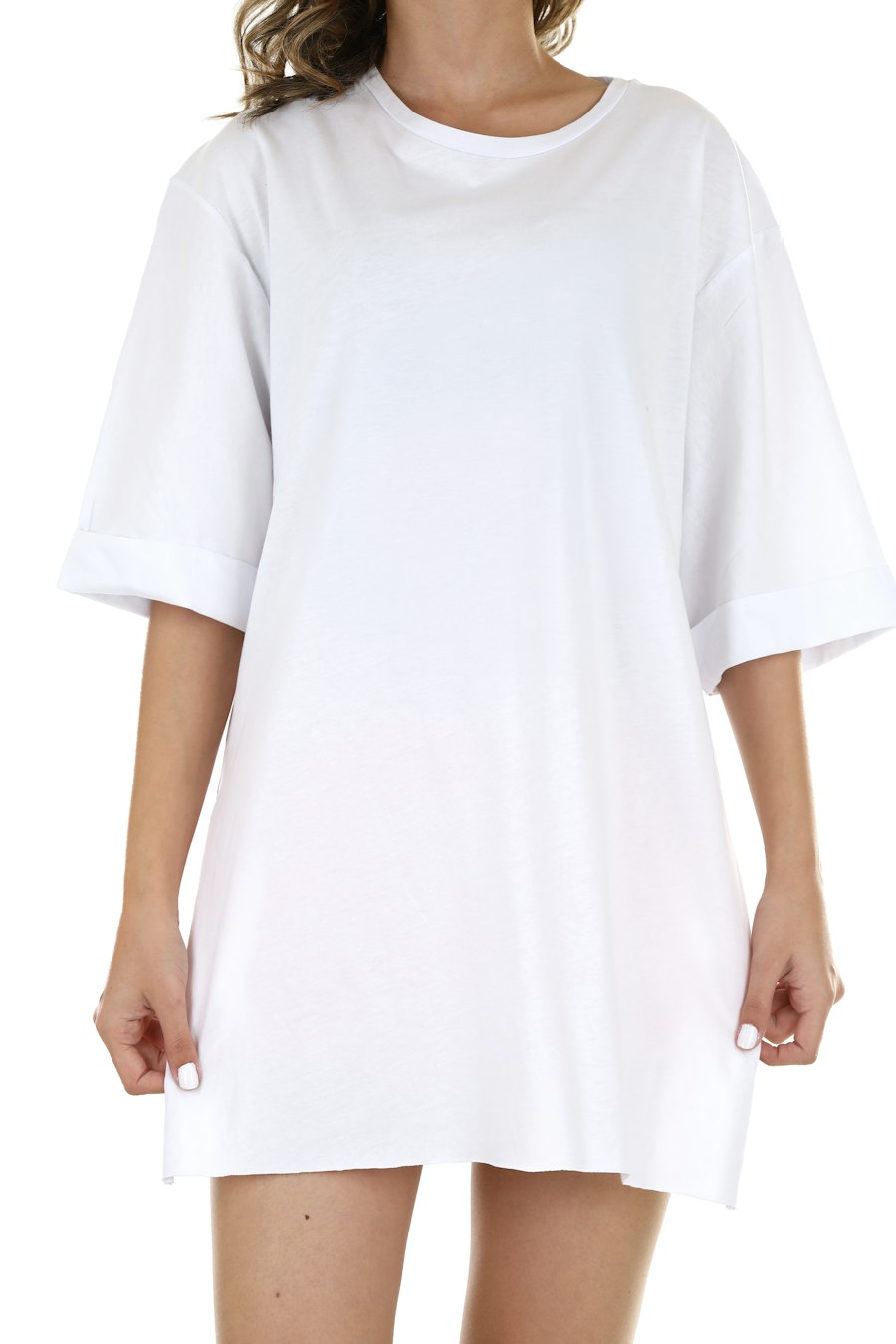


Catch the faults a shopper would notice, before the listing goes live.
Agents inspect every product image against your company standards and each marketplace’s image policy. Faults that have a safe fix are corrected with the original kept. Anything that would remove a listing is checked against the compliance guidelines first, then held for a named reviewer. No image is rejected by a model on its own.
- Resolution and hazinessFiles below platform size, soft focus and low contrast are detected on ingest, so a blurred hero shot never reaches the listing page.
- Product visibility and distortionThe product must be the subject: not hidden, not partly out of frame, not stretched or warped by a bad resize.
- Watermark and croppingWatermarks, overlaid text and improper crops are found and located in the frame. Crops are corrected where the source allows it. Watermarks are held for a person.
- Background, colour and orientationBackgrounds checked against the required shade, colours against the brand guideline and orientation against the channel rule, all before a listing is accepted or rejected.
- Duplicate and similarityNear-identical images across SKUs and sellers are grouped, so duplicate listings and copied photography surface for review instead of competing with each other.

| Attribute | From image | In listing | Status | |
|---|---|---|---|---|
 | Dial colour | White | White | ✓ match |
 | Material | Nylon | Leather | held · human |
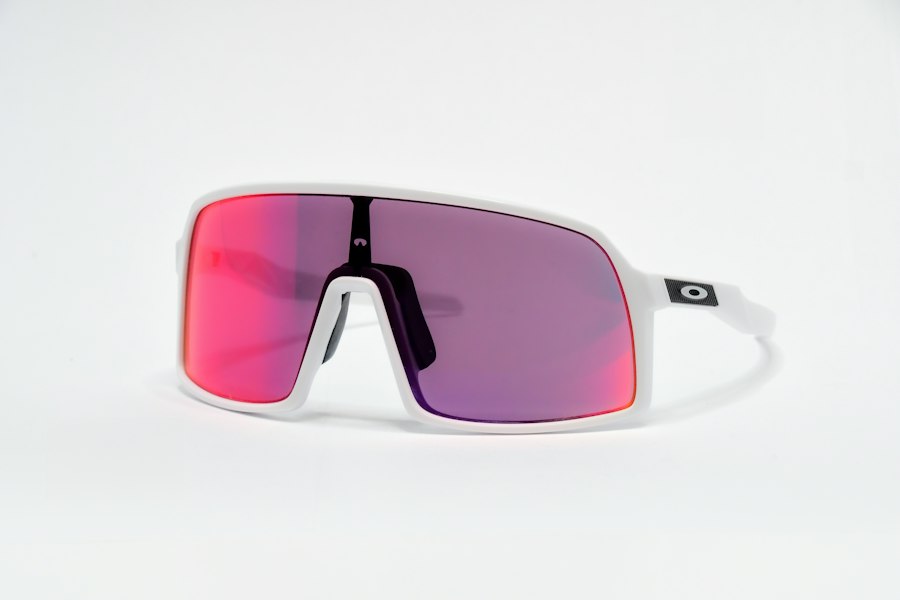 | Frame shape | Round | missing | ✓ proposed to seller |
| Volume | 50 ml | 50 ml | ✓ match |
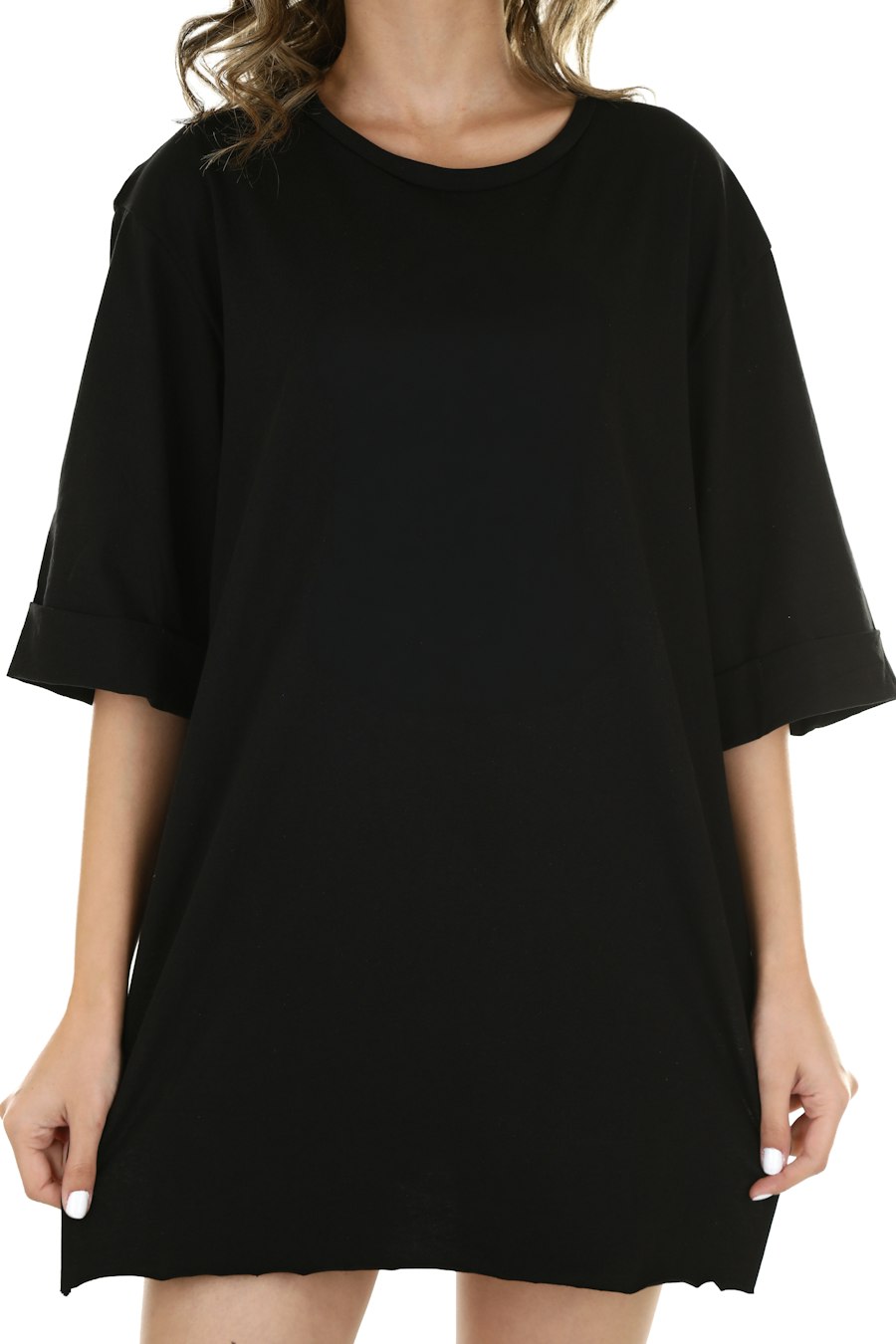 | Logo | None visible | Brand logo | held · human |
| Compliance tag | Energy label | Energy label | ✓ match |
The image is the evidence. The listing has to agree with it.
The same pass that inspects an image also reads it. Agents extract the attributes a buyer can see and compare them with what the seller typed. Where the two disagree, or where the listing says nothing at all, the gap is recorded with the proposed value and routed to a person before anything changes. The result is a catalog that is richer and more truthful at the same time.
- Attributes extracted from imagesObject type, dimensions, fabric, pattern, finish, logos and compliance tags read straight from the photograph and written to the record with a confidence score.
- Attribute-to-image matchEach extracted value is compared with the listing. A leather bag that photographs as nylon, or a black dial listed as blue, is held with both values side by side.
- Missing listing informationFields the seller left empty are filled from the image where the evidence is clear, offered to the seller as a proposal and never silently published.
- Compliance tagsRegulatory labels, certification marks and restricted-content markers are detected in the image and reconciled with the tags the listing claims.
Six guidelines, applied the same way to every listing.
Marketplaces publish moderation rules and then rely on people to apply them consistently across millions of submissions. Agents apply the rules to every image and every line of copy. The judgement calls, and every rejection, stay with named moderators. Catalog QC covers the data side of the same listing.
Image accuracy and quality
The photograph shows the product being sold, at the required resolution, framing and background, with nothing added or hidden.
Political or legal views
Images and text carrying political messaging or legal claims that the marketplace does not permit are detected and held for a moderator.
Obscene or profane content
Nudity, profanity and offensive imagery are caught before publication, with the region of the image or the phrase of text recorded for the reviewer.
Attribute values match the image
Colour, material, pattern and quantity in the listing must agree with what is visible. Mismatches are shown side by side rather than described.
Accurate content
Titles, bullets and descriptions checked for claims the product cannot support and for text copied from another listing.
Missing listing information
Required fields, images and disclosures that are absent are listed against the guideline that requires them, so the seller knows exactly what to add.
A finding is only useful if the listing gets better.
QC that ends in a rejection count teaches nobody anything. Each finding becomes a modification, a message to the seller or both, and the pattern of findings by seller becomes a record you can act on. Image and content QC runs on Spine, the same governed platform behind our regulated operations, so the loop is closed on a record rather than in an inbox.
Modify per guidelines
Where a fix is safe (a crop, a background, a normalized attribute) the listing is modified to the guideline and the original is kept. Anything larger waits for a name.
Feedback to sellers
Sellers receive the finding, the guideline it breaks and the fix that would clear it, in one message per listing rather than a generic rejection.
Faster go-live and updates
Clear findings and proposed fixes shorten the round trip between submission and publication, for new listings and for updates to live ones.
Frequent-error database
Findings are kept by seller and by error type, so repeat problems are visible, guidance can be targeted and improvement can be shown over time.
Start on one category. Scale to the whole catalog.
Each engagement is built around your standards and your marketplace rules, so it begins as a pilot with a defined scope and a measured outcome, then grows into a framework that handles the full volume.
Intelligent filters
Image and content checks tuned to your guidelines, run against a live sample of submissions. You see what they catch and what they miss before anything is rejected.
Automated rejection pipeline
Offered as a pilot that scales to full deployment. Findings route to your reviewers with the proposed action, every rejection carries a name and the frequent-error database starts to fill.
Real-time validation at volume
The same framework processes the full catalog and validates new submissions as they arrive, with the record, the reviewer gate and the seller feedback loop unchanged.



Let’s build smarter, faster and more scalable e-commerce experiences together.
Explore how AI + creativity can accelerate your next big move. Send us a thousand listings. Get back every image fault and attribute gap, the fixes proposed and the name on each rejection.